News & Media
The Percheron Pulse
The Most Expensive Environmental Permit Is the One You Did Not Know You Needed Until It Delayed Your Project
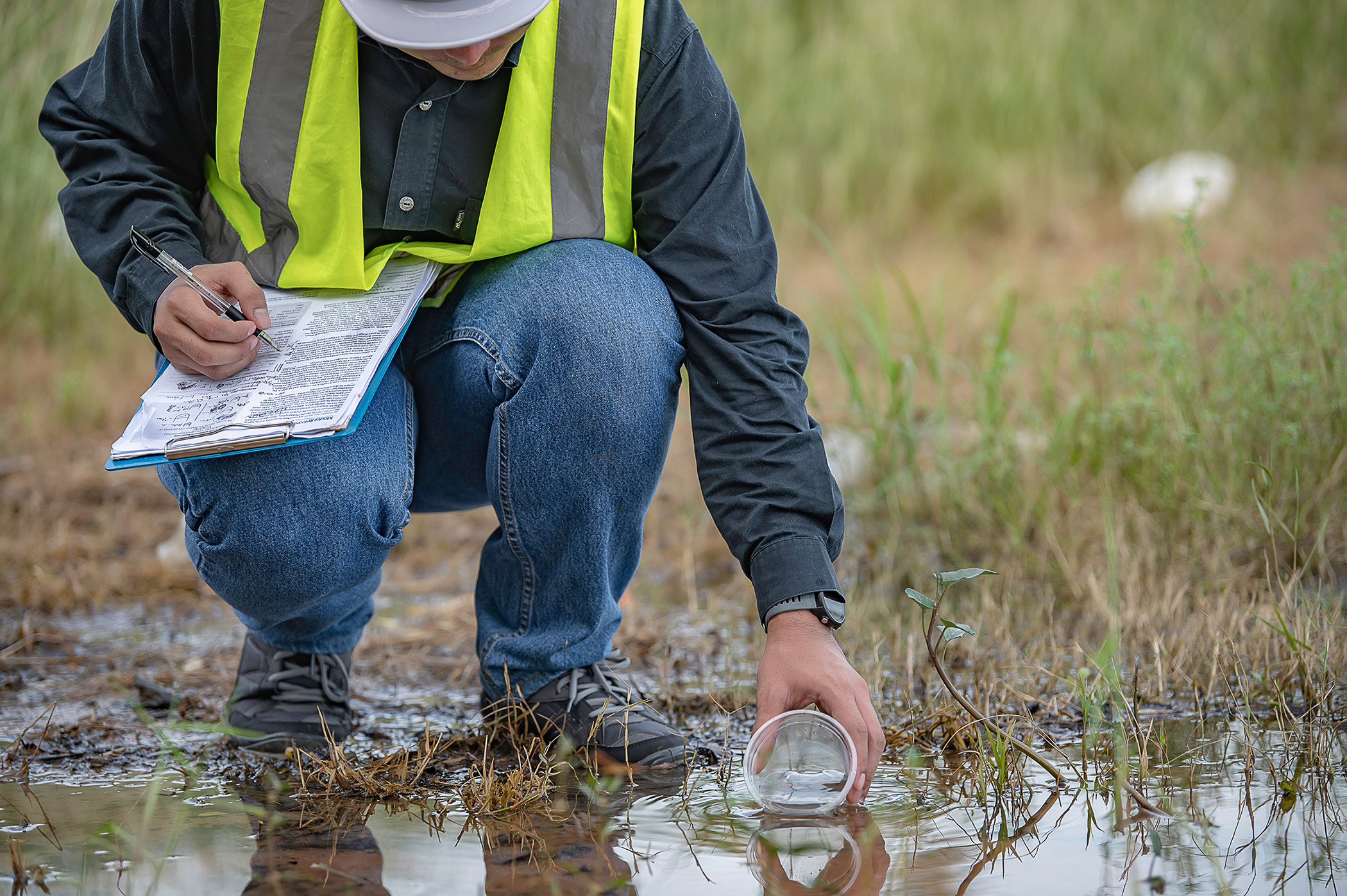
One of the most common misconceptions in project development is that environmental permitting is only a late-stage compliance checkpoint. In reality, environmental requirements often affect decisions much earlier, including site selection, routing, engineering, construction sequencing, access planning, and budget development.
The greater risk is discovering the need for a permit, consultation, survey, or compliance plan after the project schedule is already built around different assumptions. The most expensive environmental permit is often not the most complex permit, the most controversial permit, or even the longest permit to obtain. It is the permit or regulatory requirement no one identified until design was complete, procurement was underway, or construction was preparing to mobilize.
By that point, even a relatively straightforward environmental requirement can trigger redesign, resequencing, additional studies, agency coordination, schedule impacts, and budget increases. Many of these issues are predictable, but the challenge is knowing where to look early enough to do something about them.
Common Late-Stage Environmental Surprises
Aquatic Resources
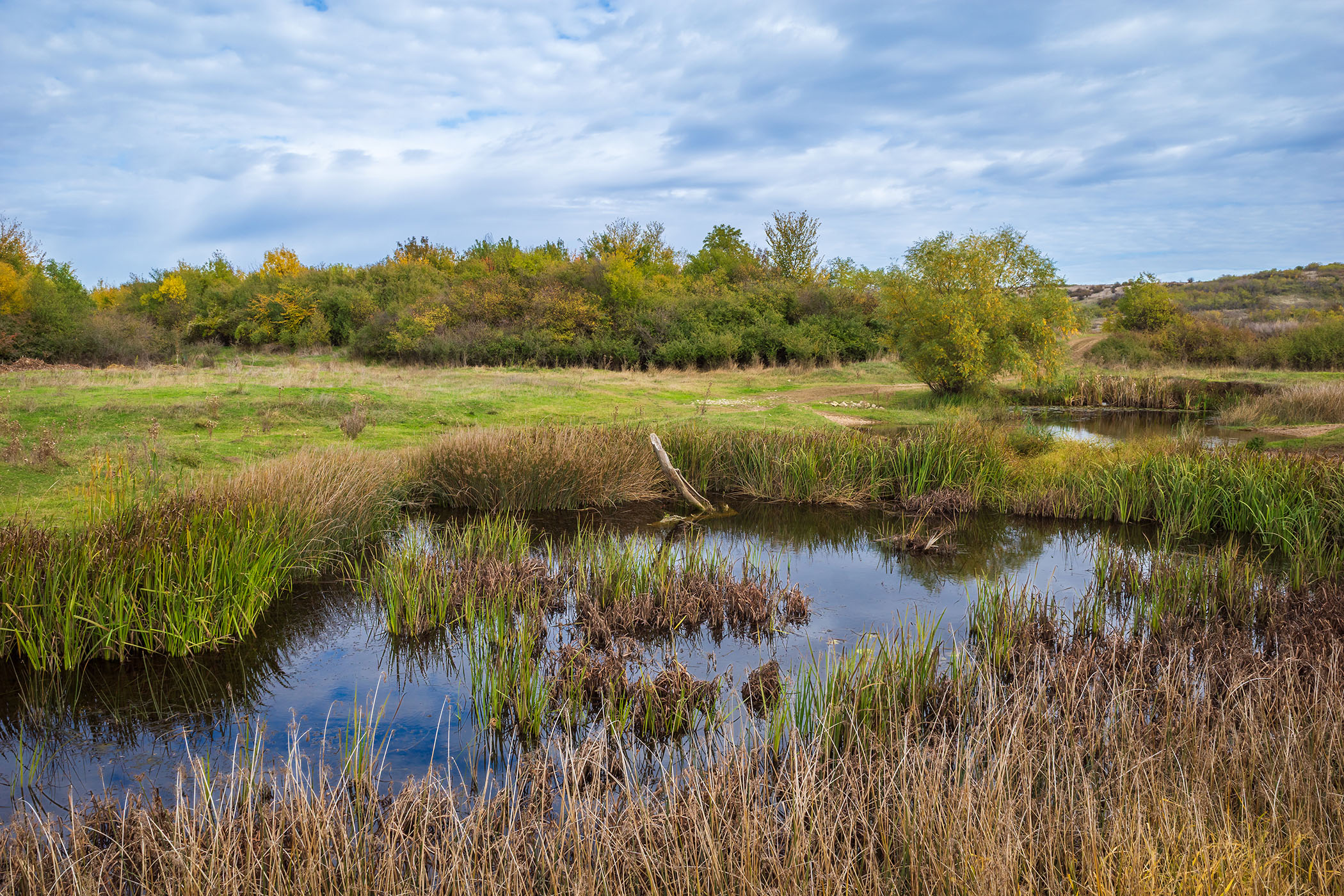 A drainage feature, ditch, wetland, pond, stream, or low-lying area may appear minor during early planning. However, if that feature is later determined to be potentially jurisdictional or otherwise regulated, the project team may need to consider avoidance, minimization, design modifications, agency coordination, or Clean Water Act permitting. For work in navigable waters, Rivers and Harbors Act Section 10 considerations may also apply.
The issue is rarely just the permit. The issue is discovering the resource after the project has already been designed around an assumption that the feature would not matter. Early aquatic resource screening, and field verification where appropriate, helps teams understand whether a feature could affect design, access, construction timing, or permitting strategy.
Protected Species
Cultural Resources and NHPA
Projects involving federal permits, federal funding, federal land, or another federal undertaking may trigger review under the National Historic Preservation Act, including Section 106 consultation.
When cultural resources considerations are identified late, project teams may face unexpected coordination with federal agencies, State Historic Preservation Offices, Tribal Historic Preservation Offices, or Tribal Nations through agency-led consultation processes. The key is early recognition of the federal nexus. If a federal permit or approval is part of the project, cultural resources review should be considered early in the planning process, not treated as an afterthought.
Stormwater Compliance
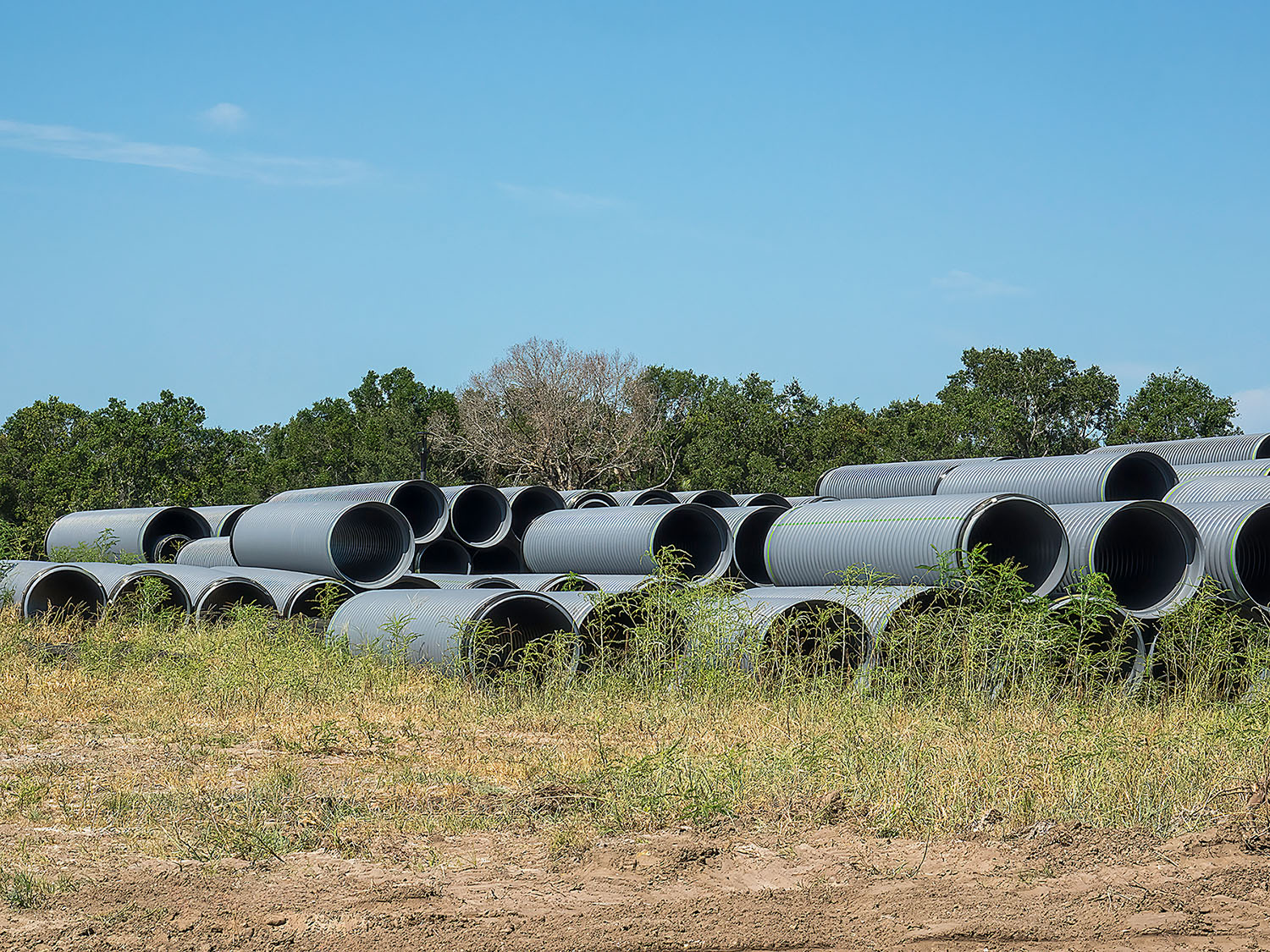 Stormwater requirements can seem routine until construction is ready to begin and the necessary plans, permits, inspections, or site controls are not in place. For many construction projects, stormwater compliance is not just a paperwork exercise. It affects site preparation, contractor readiness, inspection obligations, recordkeeping, and field execution.
Identifying Stormwater Pollution Prevention Plan requirements and construction stormwater obligations early, including National Pollutant Discharge Elimination System requirements or state-delegated equivalents where applicable, helps reduce mobilization delays and compliance risk.
Levees and Flood-Control Infrastructure
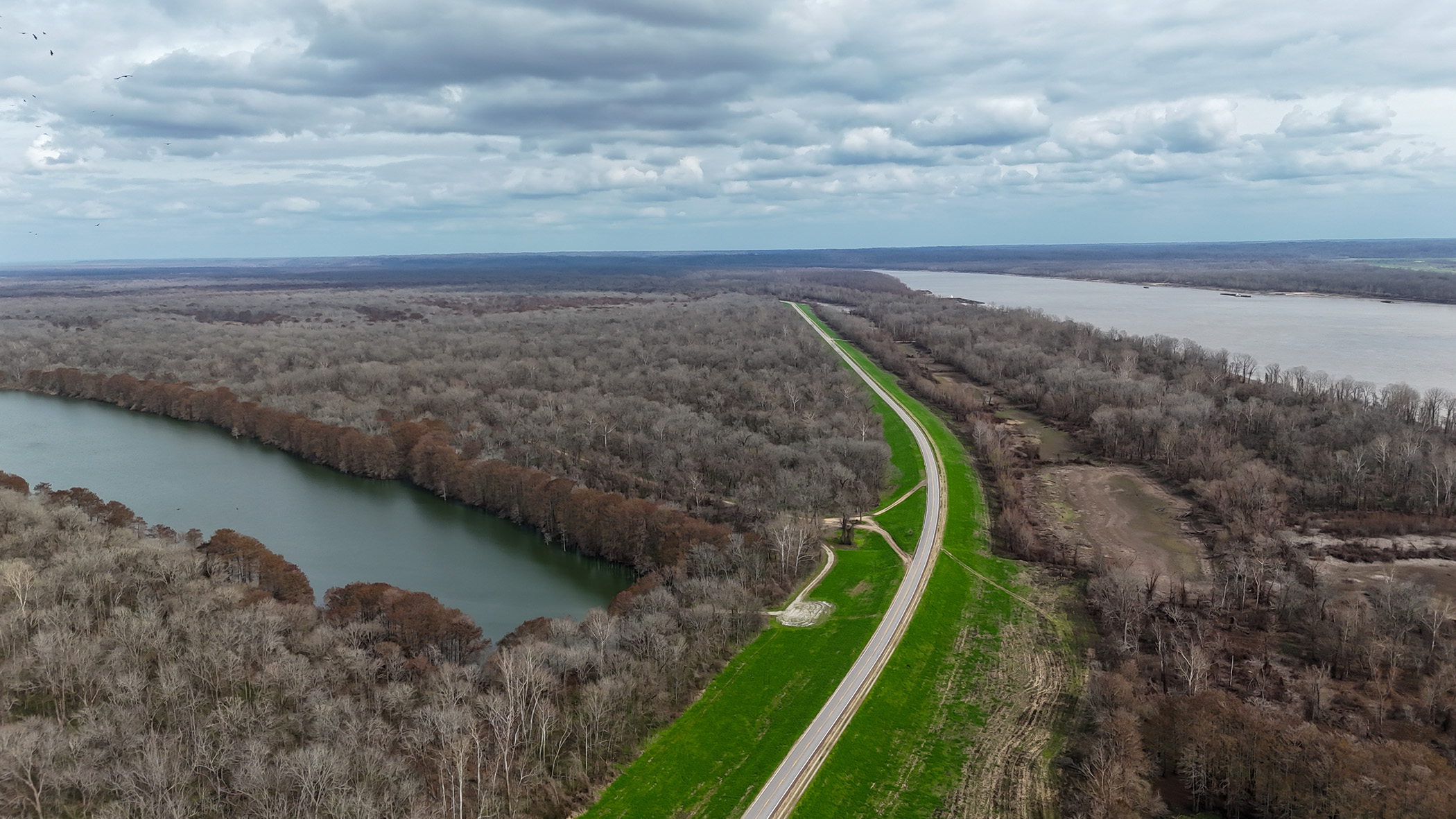 Projects near levees, floodwalls, drainage channels, or other flood-control infrastructure may require additional review or coordination beyond standard environmental permitting. Depending on the location, ownership, jurisdiction, and proposed activity, coordination may involve local flood control districts, levee sponsors, state agencies, or the U.S. Army Corps of Engineers. For federally authorized civil works projects, alterations may also trigger USACE Section 408 review where applicable.
These constraints are often manageable when identified early. However, late discovery can affect access planning, construction methods, staging, excavation, boring, crossing design, and agency review timelines. For linear infrastructure and utility projects, levee and flood-control constraints should be screened early because they can affect both permitting strategy and constructability.
Migratory Birds and Eagles
 Vegetation clearing, structure removal, tree trimming, and construction timing can create risk under the Migratory Bird Treaty Act. In certain locations or project settings, eagle-related considerations under the Bald and Golden Eagle Protection Act may also need to be evaluated.
Agency Review Timelines
Project schedules are often developed around internal milestones and business objectives. Agency review timelines operate differently.
Regulatory reviews may depend on application completeness, consultation requirements, staffing levels, public notice periods, or requests for additional information. Even when approvals are ultimately straightforward, review timelines frequently become critical-path activities.
The sooner those timelines are understood, the easier they are to incorporate into project planning.
Why Early Environmental Screening Matters
An effective environmental screen does not need to answer every question on day one. It does need to identify the questions that could materially affect the project.
- What resources or constraints may be present
- Which permits, approvals, or consultations may be required
- Which studies or surveys may be needed
- Which agencies may need to be involved
- Which requirements could affect schedule, cost, routing, design, or construction
- Where field verification is needed before decisions become difficult to change
Desktop screening is a planning tool, not a substitute for site-specific field verification or permit-level documentation. Public datasets, aerial imagery, mapping resources, and agency databases are useful for identifying potential constraints, but they are typically not detailed enough by themselves to support final permitting decisions, jurisdictional determinations, or agency submittals.
When a potential resource or regulatory trigger is identified, field verification, agency coordination, and project-specific documentation are often needed before design, permitting, or construction decisions are finalized. This is where environmental planning adds real value. It gives project teams a defensible basis for decision-making before assumptions become commitments.
A Planning Discipline, Not a Permitting Exercise
The most successful infrastructure projects tend to treat environmental review as a planning discipline rather than a permitting exercise.
When environmental considerations are incorporated early, teams gain options. They can adjust routes, refine designs, modify construction approaches, and align schedules with regulatory realities before significant costs are incurred.
When environmental requirements emerge late, those same decisions become far more difficult—and expensive—to change.
Bottom Line
The most expensive environmental permit is rarely the one everyone knows about. It is the one discovered too late.
Environmental constraints are often manageable when identified early and incorporated into project planning. The costliest impacts typically arise not from the regulation itself, but from the disruption caused when a previously unknown requirement collides with an established schedule.
For project developers, owners, and infrastructure teams, early environmental due diligence is less about compliance and more about preserving optionality, protecting schedules, and improving project certainty.
How Percheron Helps
Percheron’s environmental professionals support projects from early planning through construction readiness by helping clients identify environmental risks before they become schedule risks.
Our team includes experienced project managers, environmental inspectors, environmental scientists, and SWS-certified Professional Wetland Scientists who support:
- Environmental screening and due diligence
- Permitting strategy and schedule planning
- Clean Water Act and Rivers and Harbors Act permitting support, including Sections 401/404 and Section 10 coordination where applicable
- Wetland and aquatic resource evaluations
- Stormwater compliance and SWPPP support, including NPDES and state-delegated program support where applicable
- Endangered Species Act screening, critical habitat review, and consultation support
- Migratory Bird Treaty Act and Bald and Golden Eagle Protection Act risk screening
- National Historic Preservation Act and Section 106 coordination support
- Floodplain, levee, and flood-control infrastructure screening and coordination support where applicable
- Federal, state, and local agency consultation support
- GIS-based environmental constraints analysis
- Environmental inspection and construction compliance support
The goal is straightforward: help project teams make informed decisions early, avoid preventable surprises, and maintain momentum from planning through execution.
Author: Dietrich Gaitz, MS, PWS

Texas Survey Firm Registration Number 10020700
1904 W. Grand Parkway N., Suite 200, Katy, TX 77449
888-232-3149