News & Media
The Percheron Pulse
What Is Title Research? From Search to Signature
Every pipeline easement, drilling lease, transmission right-of-way, and solar site starts the same way: someone has to prove who legally owns the property before anyone can buy, lease, or build on it. That process is called title research — and it's the difference between a project that closes on schedule and one that stalls in a courthouse record room.
Quick answer: Title research (or "running title") is the process of investigating the history of ownership and legal status of a piece of property. A title professional determines the current owner, traces ownership back to a set point in time — typically 30 years for surface or back to the original land patent for minerals — then runs it forward and flags any liens, leases, or other encumbrances. The findings go into a title report that energy and infrastructure companies rely on before they acquire land, minerals, or rights-of-way.
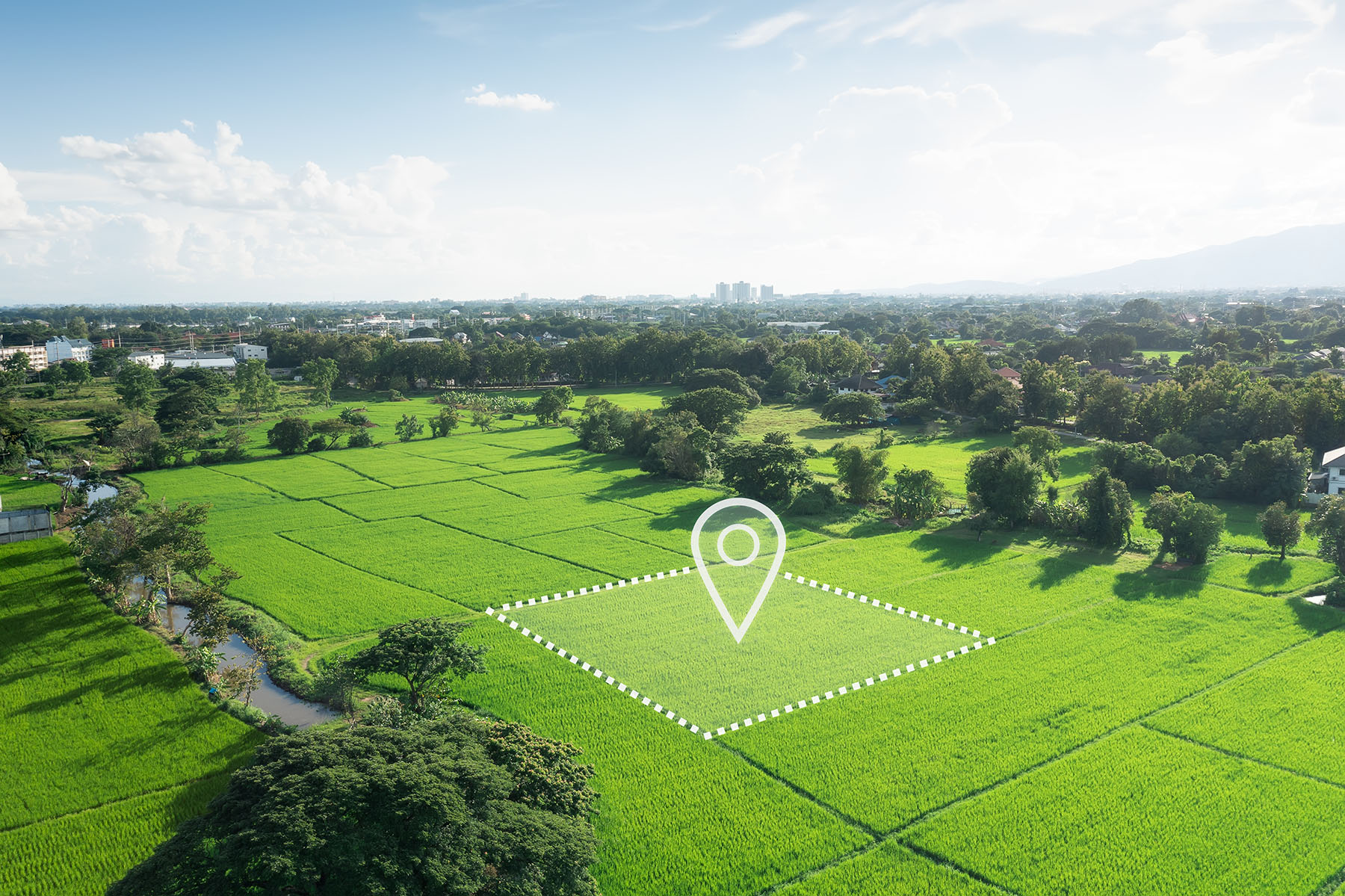 Surface Title vs. Mineral Title: What's the Difference?
Surface title identifies who owns the ground; mineral title identifies who owns what's underneath it — and they're often two entirely different sets of owners on the same parcel.
A midstream company laying pipeline needs surface title, because it's buying an easement from whoever owns the surface — the minerals underneath aren't relevant to that project. An oil and gas company, on the other hand, needs mineral title to find out who owns the oil, gas, or (in some regions) coal, so it can negotiate a lease to drill or mine. Both start with the same research method: establish current ownership, trace it backward to a set date, then run it forward to today.
LTC vs. Ownership Report: What's in a Title Deliverable?
The Limited Title Certificate (LTC) is the surface title deliverable; the Ownership Report (OR) is the mineral title deliverable. Both report the property's legal description, the current owner(s) and their contact information, the deed that vested their ownership, and encumbrances — liens, judgments, lis pendens, tenants or lessees, tax status, and easements. The Ownership Report adds each mineral owner's percentage interest and lease status (open, leased, or held by production), since mineral ownership is frequently split among multiple heirs and interest holders.
What Is Title Curative?
Curative is the process of resolving defects, errors, or gaps in a chain of title so a deal can actually close. The most common issues are heirship — an owner died without a will — unprobated wills, missing affidavits of heirship, or clerical errors in a previously recorded deed or lease (like an incorrect legal description).
Gaps show up in the research itself: a deed conveys the property to one person, and years later a conveyance comes from someone else with no recorded link between them. Curative is the work of connecting those dots — for example, confirming that the second person is the first person's heir — and then obtaining the documentation (a will, an affidavit of heirship) needed to clear the title. This can happen at any point in a project, sometimes well after the original research is finished.
What Does the Title Process Look Like, From Search to Signature?
- Scoping/RFP — the research scope, timeframe, and deliverable are defined based on the project and client's needs.
- Preliminary (vesting) title — a faster pass to confirm current ownership from tax and deed records; typically one to four weeks depending on project size.
- Full title research — the deep dive (e.g., 30 years of surface history, or back to patent for minerals), producing the LTC or Ownership Report and the underlying chain of title.
- Acquisition and signature — right-of-way or leasing agents use the completed report to negotiate and sign.
- Updates and curative — ownership changes, reroutes, and title defects are addressed as they arise, even after the initial research is complete.
Who Actually Needs Title Research?
Title research underpins nearly every stage of energy and infrastructure development:
- Upstream (oil & gas): Due diligence on acquisitions, certified title/abstracts before a well is drilled, and mineral ownership reports.
- Midstream: 30-year (typically but vary) surface title and easement research to support pipeline land acquisition.
- Transmission & Distribution/Utilities: Right-of-way title work for the infrastructure that delivers electricity and gas.
- Renewables & RNG: Ownership research to site solar, wind, hydroelectric, and geothermal projects, plus renewable natural gas facilities.
TItle FAQ
What's the difference between mineral and surface title?
Surface title covers who owns the ground; mineral title covers who owns the oil, gas, coal, or other minerals beneath it. A project may need one, the other, or both.
Does a deed plot account for curved property lines?
Yes. Deed plotting software reads the "metes and bounds" description in a deed — including arcs and curves — and plots the parcel's actual shape and acreage; the calls can also be converted to latitude/longitude for mapping.
How are gaps in a chain of title handled?
They're flagged in the title report and typically resolved through curative — research and documentation (such as an affidavit of heirship) establishing the missing link in ownership.
How long does full title research take?
It depends on scope, but the preliminary/vesting phase generally runs one to four weeks, with full title research and any curative following based on project size and timeline.

Texas Survey Firm Registration Number 10020700
1904 W. Grand Parkway N., Suite 200, Katy, TX 77449
888-232-3149