News & Media
The Percheron Pulse
From Pipelines to Powerlines: Why Survey & Engineering Firms Must Champion Both Conventional and Renewable Energy
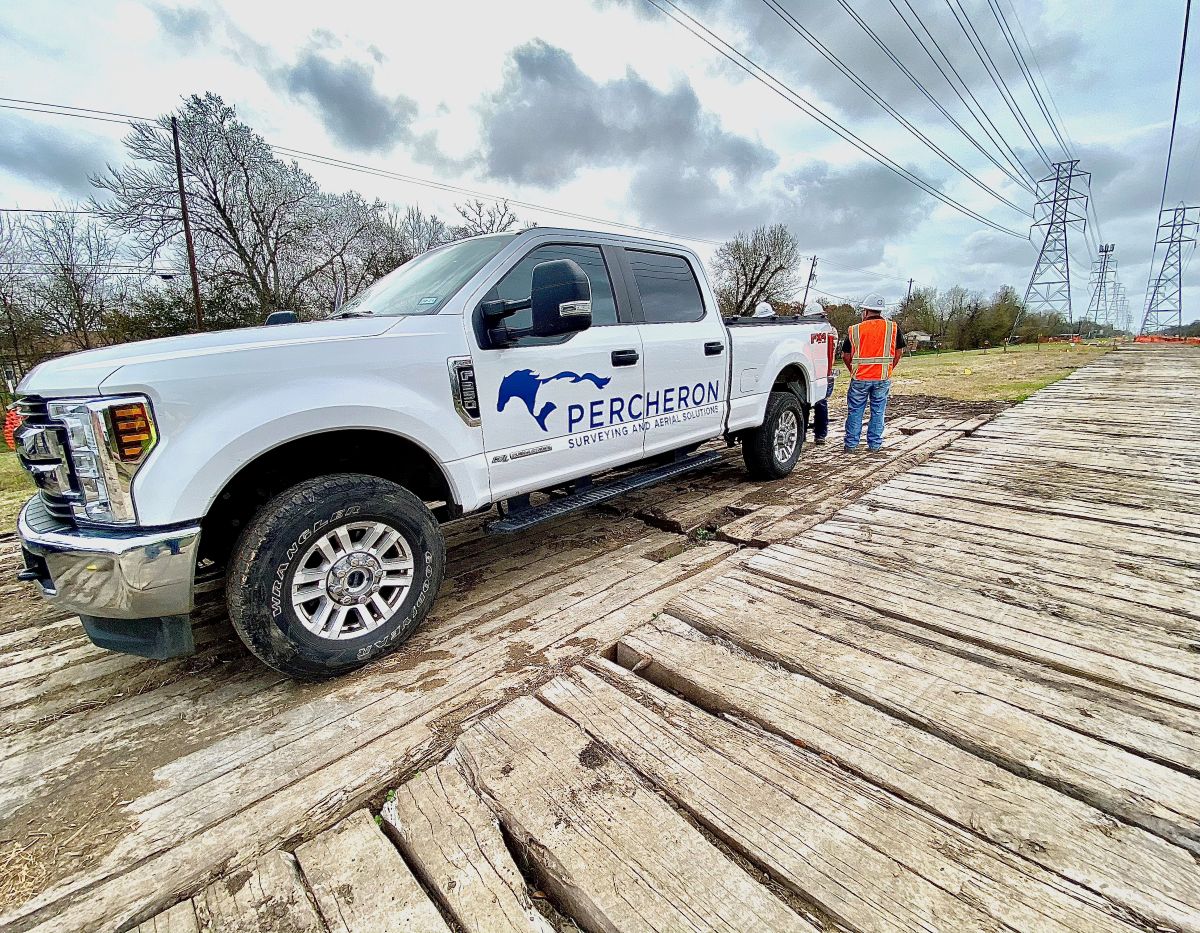
 The energy landscape in early 2026 is characterized by a complex landscape of growth, competition, and geopolitical tensions. Often firms will specialize in either renewable energy associated with wind and solar power, or fossil fuels aligning with oil and gas. Understanding the benefits of co-operative services is instrumental in the present market. Renewables are surging—solar additions hit record levels in 2025—while oil and gas remains foundationally critical amid geopolitical shifts and steady demand.
For survey and engineering firms supporting solar farms, wind installations, offshore platforms, and pipeline routes, versatility isn't just nice-to-have. It's a core strategy for long-term success. It’s imperative.
Taking a strong public stance on one energy source over another can limit opportunities and increase risks. Here's why many in the field are embracing a balanced, technology-agnostic approach—and how it's paying off.

The Reality of a Dual-Energy Landscape
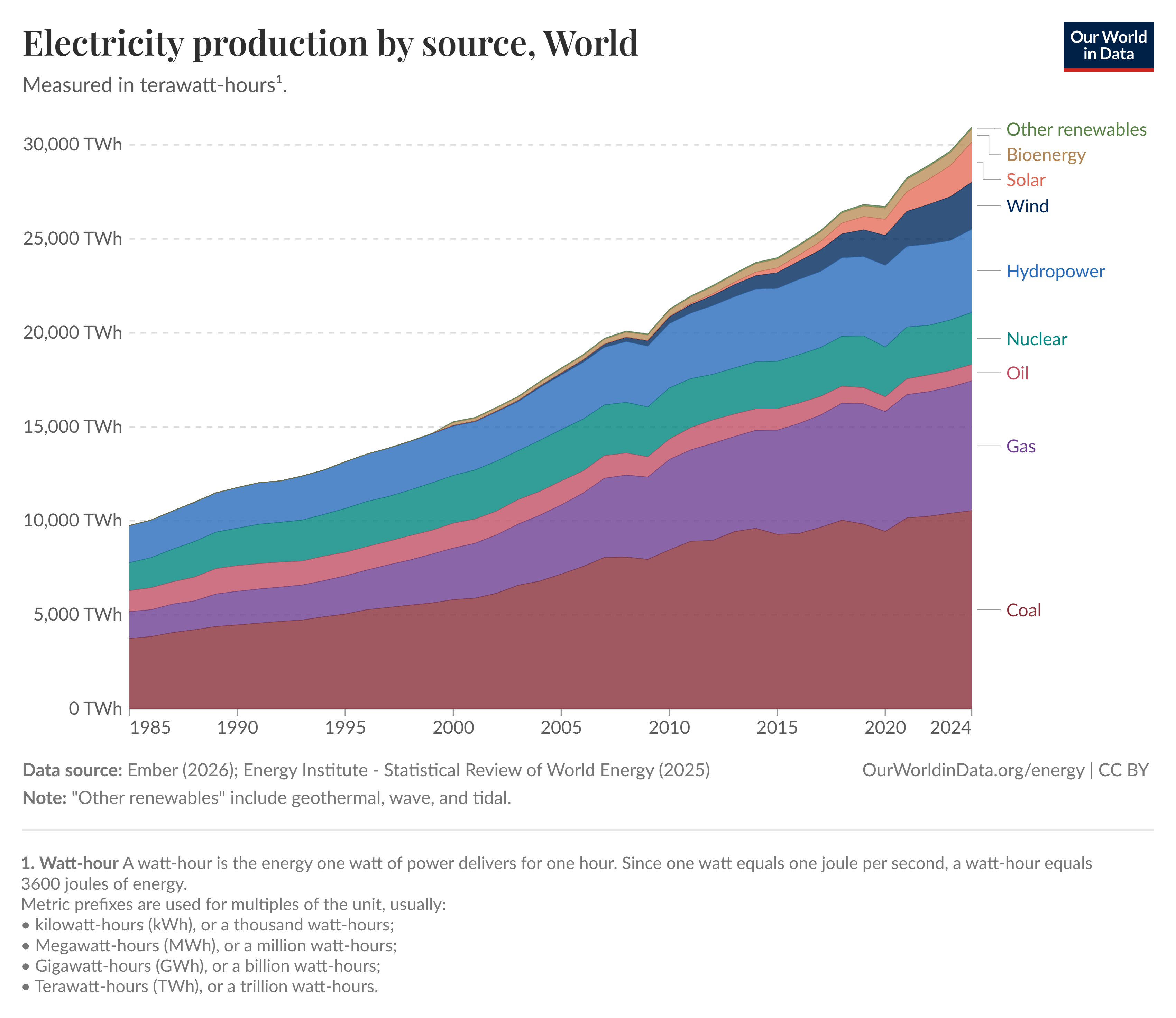
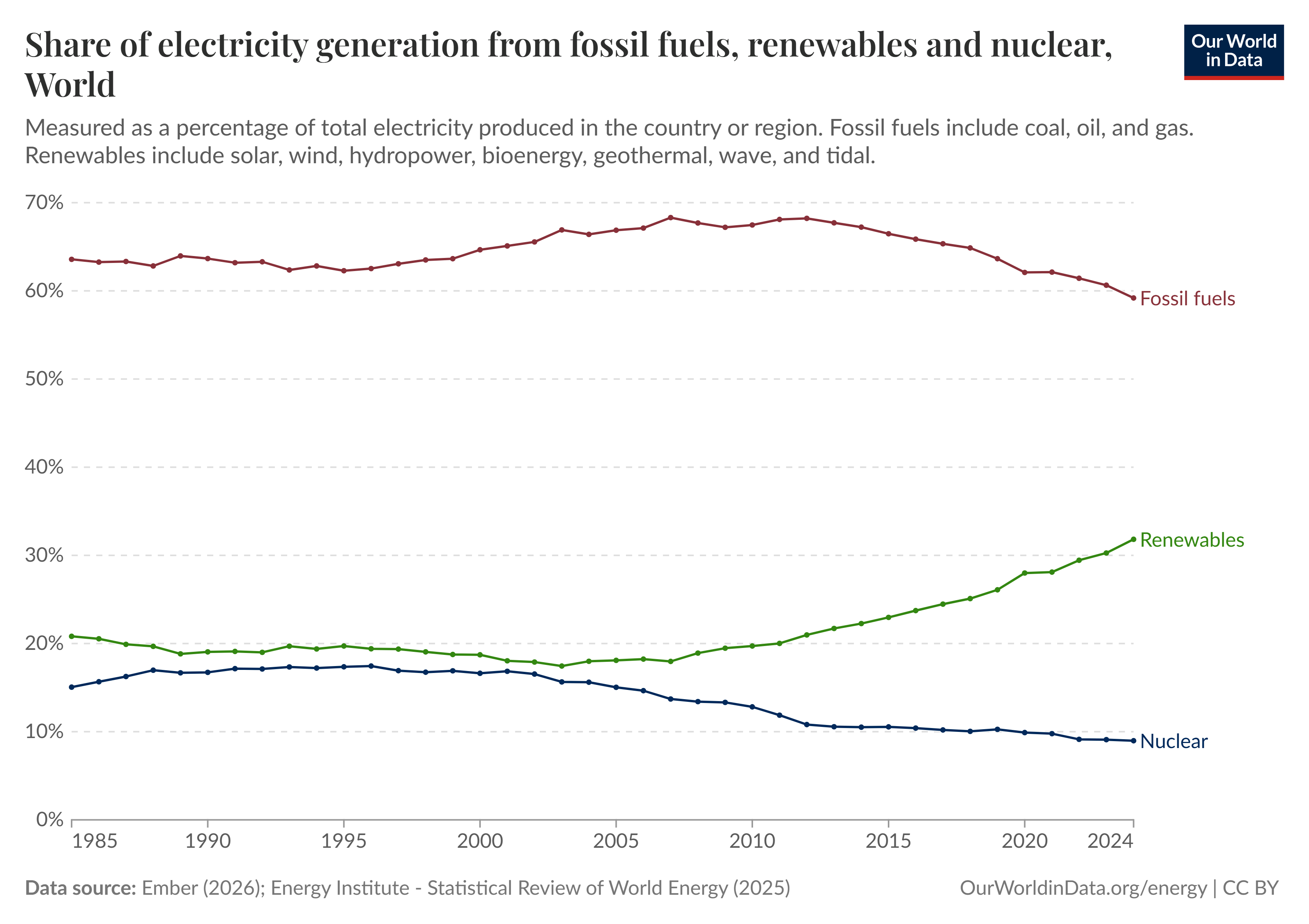
The energy transition isn’t unfolding in a straight line. Instead, it’s creating a dual‑track environment where both renewable and traditional energy systems are expanding simultaneously. Consider the dynamics at play:
Renewables are booming.
Solar and wind capacity continue to surge worldwide, driven by falling costs, technological advancements, and supportive policy frameworks.
Fossil fuels endure.
Despite rapid renewable adoption, oil and natural gas remain essential—particularly in sectors that are difficult or impossible to electrify in the near term, such as aviation, maritime transport, petrochemicals, and heavy industry.


The Downsides of Singular Specialism in Energy Sectors
A heavy focus on renewables might deter traditional energy operators. The reverse can make it harder to win bids from ESG-driven developers. Limiting one’s field of expertise significantly reduces a firm’s bidding competitiveness and almost certainly fails to capture crossover work.
Higher vulnerability to market swings.
The Advantages of Dieverse Expertise Accross the Field
Firms navigating multiple sectors will be better positioned to thrive in a changing regulatory and market environment. They exhibit noticeably greater resilience. As regions transition at different paces, multiskilled firms adapt quickly without major overhauls.
Versatile firms become reliable partners in planning, designing, and delivering the infrastructure needed for a balanced, responsible energy future - whatever that mix ultimately looks like. Clients benefit from a single partner with proven expertise across the full spectrum of the industry.
Steps Firms Can Take to Strengthen Cooperation Across the Industry
For firms evaluating their positioning in today’s dual‑energy environment, a strategic, balanced approach is essential.
Build broad capabilities.
Train teams on requirements for both conventional and renewable projects. Be flexible with market demands as needed.
Highlight expertise over opinions.
In marketing and proposals, emphasize proven results across energy types while still respecting all clients’ expectations and principles.
Pursue hybrid opportunities.
Get involved in areas like carbon capture, grid upgrades, or co-located facilities. In a codependent society, the capability to incorporate various energy fields is an aggressive advantage in the industry. The transition to sustainable energy, in many cases, is overlapping. Numerous traditional oil and gas companies are advancing in renewable energy to expand their portfolios. Some electric utilities are shifting to renewable energy while still relying on natural gas for power generation.
Stay data‑driven.
Let market trends, regulations, and client needs guide your firm’s strategy. A versatile firm can pivot resources as needed. Avoid controversial echo chambers and instead build trust with stakeholders who demand evidence-based recommendations. Focus on global or national shifts, investment flows, and regional nuances to allow your firm to capitalize on opportunities without ideological commitment.
In 2026, the most successful survey and engineering firms won't be the ones shouting loudest about the energy transition. They'll be steady, multiskilled experts delivering focused precision wherever it's needed. Firms having expansive expertise have an evident advantage in staying relevant, adaptable and supportive of the transition to a more sustainable future while preserving those core foundational skills needed to safeguard the current and historical energy sectors.

How is your firm (or team) navigating this balance? What's worked well—or been challenging? Do you have key advice for firms seeking more versatility and adaptability across fields? If your firm (or team) is specifically product driven, has your firm been affected by boom-bust scenarios, and if so, do you have tips to navigate shifts more efficiently?
Author: Melissa Donaldson
Melissa brings 20 years of technical expertise and a deep commitment to energy industry standards. She currently applies her survey coordination and design skills to ALTA surveys nationwide, supporting renewable‑energy development across solar farms, substations, and wind farms.
She is a member of The Pipeliners Association of Houston, an organization dedicated to advancing pipeline engineering and operations through collaboration. Her work efforts have contributed to both major and minor pipeline projects around the world. She is Certified in AutoCAD, CADWorx Plant and P&ID’s as well as Service Management.
Melissa values strong coordination and collective problem‑solving, guided by the belief that “No one of us is as smart as all of us.”

Texas Survey Firm Registration Number 10020700
1904 W. Grand Parkway N., Suite 200, Katy, TX 77449
888-232-3149